
Random Number Generator
YSometimes you need a number that is genuinely random — not the first one that comes to mind, not a guess, not a pattern. A teacher picking a student, a developer testing an input, a group deciding who goes first, a gamer rolling for initiative. Whatever the reason, this free tool gives you a truly random result instantly.
Set your minimum and maximum, click generate and the number appears. No ads, no signup, nothing stored.
Is This Random Number Generator Truly Random?
Technically it is pseudorandom — generated by a mathematical algorithm rather than a physical process. For cryptographic or security purposes you would need a dedicated cryptographically secure generator. For everything else — raffles, games, decisions, teaching, testing — this generator is perfectly suitable and statistically well-distributed.
What People Use a Random Number Generator For
Teachers and educators — pick a random student to answer a question without appearing to favour anyone. Set the range to 1 to the number of students and generate. Fair, instant and students cannot predict who is next.
Raffle and prize draws — assign a number to each entry, set the range to match and generate the winner. Use the no duplicates option when drawing multiple prizes to ensure each entry can only win once.
Everyday decisions — deciding who pays the restaurant bill, picking a movie when the group cannot agree, choosing the order for presentations, selecting who does the dishes. A random number generator removes bias, ends arguments and takes the responsibility off everyone.
Developers and testers — generate test data, random IDs or sample inputs for software testing without thinking up values manually. The multiple numbers option with no duplicates is useful for generating unique test identifiers.
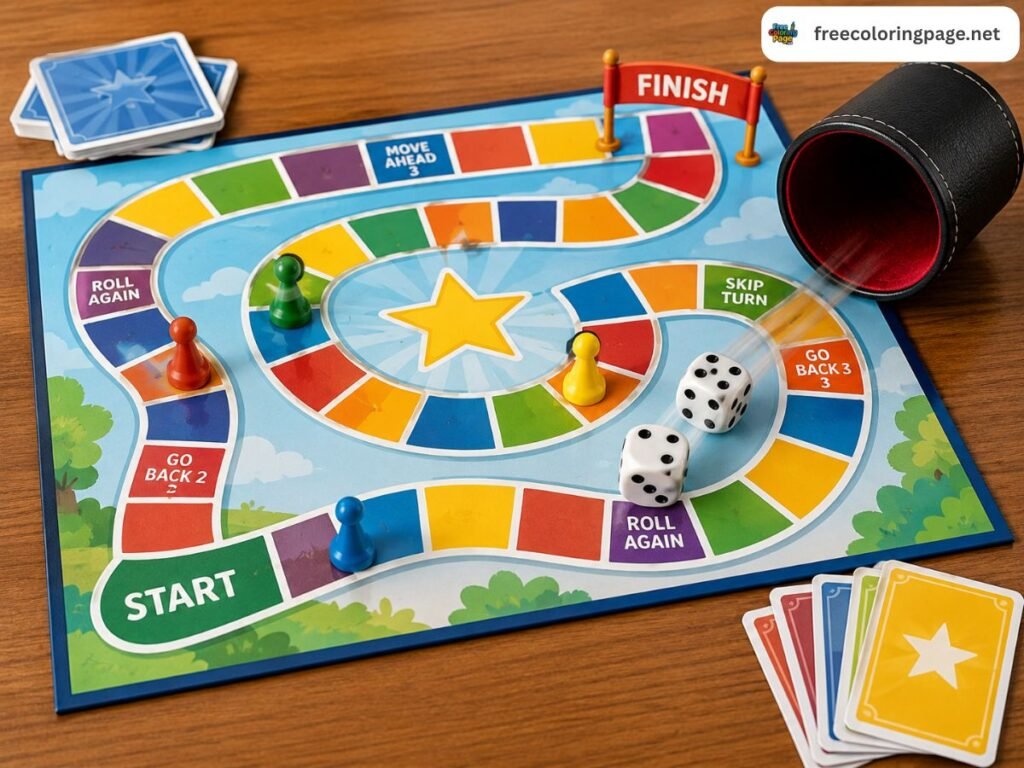
Tabletop RPGs and board games — the dice roller covers all standard RPG dice sizes including D20 for Dungeons and Dragons, D10 for various systems and D100 for percentile rolls. Roll multiple dice simultaneously and see each result alongside the total.
Lottery number selection — set the range to match your lottery numbers, set quantity and enable no duplicates. The random number generator does not improve your odds — lottery draws are independent events — but it removes unconscious patterns from manual selection and gives you a fully random set of numbers in seconds.
Dice Sizes — What Each One Is Used For
Dice |
Sides |
Common use |
|---|---|---|
|
D4 |
4 |
Damage rolls in D&D, some board games |
|
D6 |
6 |
Standard dice, most board games, Yahtzee |
|
D8 |
8 |
Weapon damage in tabletop RPGs |
|
D10 |
10 |
Percentile rolls, World of Darkness |
|
D12 |
12 |
Great axe damage in D&D, some RPGs |
|
D20 |
20 |
Attack rolls and skill checks in D&D |
|
D100 |
100 |
Percentile rolls, wild magic tables |
Other Free Tools
- Percentage Calculator — What is X% of Y, percentage change and markup
- Word Counter — Words, characters, reading time and keyword density
- Days Calculator — Date difference and days between dates
- Age Calculator — Exact age in years, months and days
Frequently Asked Questions
About This Random Number Generator
This random number generator is part of CalcDaysTime — a free suite of date, time and maths tools. All generation happens entirely in your browser. No numbers are sent to our servers, stored or logged in any way.
Disclaimer: Numbers generated by this tool are pseudorandom and suitable for games, decisions and general use. They are not cryptographically secure and should not be used for security-critical applications such as password generation or encryption keys.